
 Facebook
 X
X
 Pinterest
 Copy Link
Do Realtors Perform An Appraisal and 6 Other YouTube Questions I Get All The Time From Sellers

Hi there! My name is Brian Johnson and I’m a real estate broker in Spokane, working with Windermere Valley Liberty Lake. I frequently get asked great questions about real estate, both in the comments section of my videos and in private messages. I decided to take some time to answer seven of the most common seller questions that I receive.
First things first, if you have any questions about real estate, don’t hesitate to reach out to me. My contact information is readily available and I’m always happy to help. If you have more general questions about selling your house and aren’t quite ready to contact an agent, I’ve created a detailed seller’s guide that you can download for free. Just follow the link in the description or find the pin comment below. The guide walks you through all of the steps involved in selling a house, and includes helpful checklists for things like preparing your home for sale and staging ideas.
Now, on to the questions! One question I often get asked is about what happens to a mortgage when a house is sold. When you sell your house, the money goes into escrow, usually with a title company or escrow agent. The escrow agent uses that money to pay off the mortgage, and once it’s paid off, the mortgage is considered satisfied and recorded as such. The mortgage is then considered “dead,” as the note has been paid off and the paperwork is complete.
Another question I often hear is whether it’s possible to roll negative equity from a mortgage into a new mortgage, similar to how it’s done with car loans. The answer to that is no. If you sell your property and the sales price is less than the amount you owe on the mortgage, you’ll need to pay off that mortgage at closing. This means bringing extra funds to closing to cover the difference. In today’s market, especially in Spokane, a large percentage of people are “equity rich,” meaning they have more than 50% equity in their homes. As a result, it’s not as common to see people wondering if they can roll negative equity into a new mortgage. However, as the market shifts and people start wanting to sell their properties to deal with inflation, we may start seeing this question more frequently.
Another common question is whether it’s possible to time the market when selling or buying a house. The answer to that is no. It’s not possible to accurately predict the market, and the only way to know if the market has hit the bottom or the top is after it has started to rise or fall. So, by definition, you can’t time the market. The best you can do is to try to be as informed as possible and make the best decision for your situation.
I also get asked whether it’s better to sell a house before or after making repairs, and the answer to that depends on the specific repairs and your financial situation. If the repairs are minor and won’t cost too much, it might make sense to take care of them before putting the house on the market. However, if the repairs are extensive and will be costly, it might make more sense to sell the house as is and let the buyer handle the repairs. Ultimately, the decision will depend on your individual circumstances.
Pricing a house correctly is also a common concern for sellers. It’s important to price your house appropriately, as overpricing it can lead to a longer selling time and potentially lower offers. On the other hand, underpricing it can result in a quicker sale, but you might not get as much for your house as it’s worth. A real estate agent can be a valuable resource when it comes to pricing your house, as they have access to data and market knowledge that can help you determine the best price for your property.
If you are the listing agent and you have a client who owns a house that you have listed, it is possible that you may still be paid even if the client finds their own buyer. There are two types of listing contracts that you can sign. In one type of contract, you are the only agent that can sell the property, but the client can still find their own buyer outside of you and if they do, you do not receive a commission. This type of contract is rare. The most common type of listing contract is one in which you are the exclusive agent for the property, and if it sells, you will be paid a commission. However, it is possible to include provisions in the contract stating that the client has the right to sell the property to certain people, such as their brother-in-law or neighbor, without paying a commission to the agent. It is important to discuss the specifics of the contract with your agent to ensure that you understand your obligations and the terms of the agreement.
I hope this post has been helpful in answering some of your questions about selling a house. If you have any additional questions, don’t hesitate to reach out to me. And if you’re thinking about selling your house, don’t forget to download my seller’s guide for more information and helpful tips. Thanks for reading!
Here is my guide tp selling your home: https://bit.ly/3CfuWp5
Here is my guide to buying a home: https://bit.ly/3GvmGUe
Here’s the link to my YouTube channel: http://bit.ly/3jPicPH
What A Home Seller Must Disclose To Keep From Getting Sued | Must Follow

When it comes to selling your home, it’s important to remember that disclosure is a crucial part of the process. By disclosing certain information to potential buyers, you can increase trust and transparency and help prevent any legal or disputes in the future. In this blog post, we’ll be discussing the required legal disclosures as well as some optional disclosures that you may want to consider.
First and foremost, if your home was built before 1978, you are required to disclose any information about lead-based paint. This includes providing a lead-based paint disclosure form and any available records or reports on the presence of lead-based paint. Lead-based paint can be harmful to humans, especially children, so it’s important for potential buyers to be aware of its presence in the home.
Additionally, you must also disclose any information about the home’s location in a flood zone. This includes providing flood zone maps and any flood insurance information. Flood zones are designated areas that have a higher risk of flooding, and it’s important for potential buyers to be aware of this risk when purchasing a house.
You must also disclose any environmental hazards or contaminations that are known to exist on the property. This could include things like asbestos, radon, or underground storage tanks. These hazards can pose a risk to the health and safety of the occupants, and it’s important for potential buyers to be aware of their presence in the home.
It’s important to remember that these required legal disclosures are necessary to protect both the seller and the buyer. By being upfront and transparent about any potential risks or issues with the property, you can help prevent any legal issues or disputes that could arise in the future.
You must also disclose any material defects that are present in the home. Material defects are any issues with the home that may significantly impact the value or habitability of the property. As a seller, it’s important to disclose any material defects that you are aware of to potential buyers. Examples of material defects would include structural issues such as a cracked foundation or termite damage, major mechanical issues such as a faulty heating or air conditioning system, and health and safety issues such as mold or electrical hazards.
While the presence of a material defect is not necessarily disqualify a home from being sold, it’s important for potential buyers to be aware of these issues so that they can make an informed decision about the property. By disclosing material defects up front, you can increase trust and transparency with the potential buyers and help prevent any legal issues or disputes that would arise in the future.
In conclusion, it’s important to remember that disclosure is a crucial part of the process when selling your home. By disclosing required legal information and any optional material defects, you can increase trust and transparency with potential buyers and help prevent any legal issues or disputes in the future.
The HIGHEST Offer For Your Home May Not Be The BEST Offer For You

Welcome to my blog on why choosing the right offer isn’t always the highest offer when selling a house. Are you in the process of selling your home and have received multiple offers? Have you received an offer that is significantly higher than the others? It may seem like a no-brainer to go with the highest offer, but is it always the best choice? In this video, I’ll be discussing some important factors to consider when selling your house, even if the highest offer seems tempting.
So, if you’re thinking about selling your house or you’re in the process of doing so, stick around and learn more. We’ll be covering topics such as the importance of the buyer’s financing, the terms of the offer, the buyer motivation, and your own goals and priorities. By the end of this video, you’ll have a better understanding of how to evaluate offers and make a decision that is best for your unique situation.
My name is Brian Johnson and I’m a real estate broker right here in Spokane with Windemere Valley Liberty Lake. If you have any questions about real estate, whether you want to sell your house, buy a house, or start a real estate investment portfolio, feel free to reach out to me. My contact information is right here.
Now, let’s get into the main topic: evaluating offers on your house. There are several factors to consider when evaluating offers, and it’s important to weigh each one carefully before making a decision.
- The importance of the buyer’s financing cannot be overstated. Not all offers are created equal, even if they are for the same price. If a buyer is obtaining a mortgage or has a mortgage contingency in their offer, there is a risk that the financing may not go through. This can cause delays or even lead to the deal falling apart completely. On the other hand, a buyer who is paying cash or has already been pre-approved for a mortgage may be a more reliable option. One thing to consider is the size of the down payment. A buyer who puts down a larger down payment, such as 20%, may be seen as a more financially stable and reliable buyer. On the other hand, a buyer who puts down a smaller down payment, such as 3.5% for an FHA loan, may be seen as a higher risk. This is because a smaller down payment means that the buyer has less invested in the property, which can increase the risk of default. It’s important to do your due diligence and ask for proof of financing, such as a pre-approval letter from the lender. This can give you peace of mind and help ensure that the sale goes smoothly. Remember, the financing of the buyer can impact the sale of your house, so it’s important to consider this factor when evaluating offers. Don’t just go with the highest offer if it comes with financing risks.
- The amount of earnest money is an important factor to consider when evaluating offers on your house. Earnest money is a deposit made by the buyer to show that they are serious about purchasing the property. It is typically held in escrow until closing, at which point it is applied towards the purchase price of the house. The amount of earnest money can be a good indicator of the buyer’s level of commitment and financial stability. A buyer who puts down a large amount of earnest money may be seen as more serious and financially secure. On the other hand, a buyer who puts down a small amount of earnest money may be seen as less committed or financially risky. In addition to being a sign of the buyer’s commitment, the amount of earnest money can also serve as a negotiating tool. If you receive multiple offers on your house, you may be able to use the amount of earnest money as a way to differentiate between the offers. For example, you may choose to go with an offer that has a lower price but a larger amount of earnest money, as this may indicate a higher level of commitment from the buyer.
- The terms of the offer should also be taken into consideration when evaluating offers on your house. The terms of the offer include the closing date, contingencies, and other conditions that must be met before the sale can be completed. A buyer who is willing to close on a shorter timeline may be more appealing, as this can help speed up the process and reduce the risk of delays. Contingencies, such as a financing contingency or a home inspection contingency, can also impact the terms of the offer. It’s important to carefully review the terms of the offer and consider how they may impact the sale of your house.
- The motivation of the buyer is another factor to consider when evaluating offers on your house. Understanding the buyer’s motivations can help you make a more informed decision about which offer to accept. For example, if a buyer is in a hurry to move and is willing to pay a premium price to do so, this may be a more attractive offer. On the other hand, if a buyer is simply looking for a good deal and is willing to negotiate on price, this may not be as appealing.
- Finally, it’s important to consider your own goals and priorities when evaluating offers on your house. What is most important to you in the sale of your home? Is it the price, the terms of the offer, the buyer’s motivation, or something else? Consider what is most important to you and weigh each offer accordingly.
In conclusion, there are several factors to consider when evaluating offers on your house. It’s important to do your due diligence and carefully consider each offer before making a decision. Don’t just go with the highest offer if it comes with financing risks or other potential drawbacks. Instead, take the time to evaluate the buyer’s financing, the amount of earnest money, the terms of the offer, the buyer’s motivation, and your own goals and priorities to make a decision that is best for your unique situation.
Home Selling Process Made Easy – Must Watch If You Want To Cash In | Works In Every Market!

Are you ready to cash in on the hot real estate market and sell your home fast? If so, I’ve got the inside scoop on how to make it happen. No more endless showings and rejections. Just follow my seven easy steps and you’ll be packing up and saying goodbye to your old digs in no time.
So put on your sellers hat and get ready to make some serious cash, because it’s time to sell your home fast in this seller’s market. My name is Brian Johnson and I’m a real estate broker right here in Spokane with Windermere Valley Liberty Lake. If you have any questions about real estate, don’t be shy about reaching out to me. You can call, text, or shoot me a message using the contact information below. I work with clients all the time and we get along great, so don’t hesitate to reach out if you have any questions. You can also leave them in the comments below and I’ll be able to help answer them.
Now, let’s get started on those seven easy steps to sell your home fast in this seller’s market.
Step 1: Price it appropriately. In a seller’s market, homes tend to sell quickly and for top dollar. So, to take advantage of this, it’s important to price your home accurately. But before you get too excited and list your house for a million bucks, take a deep breath and talk with a real estate agent to determine the fair market value of your home and set a competitive price. Trust me, you don’t want to price yourself out of the market and end up with a house that’s been sitting on the market for months. So, price it right and then start marketing it to potential buyers.
Step 2: Stage the home. Staging your home can make it really appealing to buyers and help it stand out from the competition. But before you start staging, it’s important to get rid of all the clutter and personal items that can make it hard for buyers to envision themselves living in your space. A collection of ceramic cats and clown paintings probably won’t do the trick – they might just scare people off. So, declutter as much as you can and consider hiring a professional stager or using some simple staging techniques like decluttering and depersonalizing the space. Trust me, a staged home is much more likely to sell fast and for more money in a seller’s market.
Step 3: Make necessary repairs and updates. Fixing any broken items or making small updates can help your home show a lot better and increase its appeal to buyers. But before you go crazy and start tearing down walls, take a moment to assess what really needs to be done. No one wants to buy a home that’s falling apart, but you also don’t want to go overboard and spend a fortune on unnecessary updates or updates that you won’t make your money back on. Consider making repairs to things like leaky faucets, peeling paint, and outdated fixtures. Or, if you can spend a little bit more money, think about updating the kitchen and bathrooms. And if you’re not sure what needs to be done, just ask a real estate agent for their opinion. Trust me, a well-maintained home is much more likely to sell fast in a seller’s market.
Step 4: Enhance the curb appeal. The exterior of your home is the first thing a buyer sees, so it’s important to make a really good impression. Enhance the curb appeal by making sure the lawn is well-manicured, the bushes are trimmed, and the exterior of the home is clean and in good repair. A little bit of paint and some new landscaping can go a long way in improving the look of your home and making it more appealing to buyers.
Step 5: Make the home easy to show. If you want to sell your home fast, you need to make it easy for potential buyers to view it. That means being flexible with showing times and making sure the home is always clean and ready for visitors. If you have pets, consider making arrangements for them to be out of the house during showings. And if you’re not home, consider using a lockbox so that agents can show the home to buyers without having to coordinate with you.
Step 6: Market the home effectively. In a seller’s market, it’s important to get the word out about your home as much as possible. That means using a variety of marketing techniques to reach potential buyers. This can include listing the home on real estate websites, using social media to promote it, and working with a real estate agent to create a marketing plan. The more people you can get to see your home, the better your chances of selling it fast.
Step 7: Negotiate effectively. When it comes time to negotiate an offer, it’s important to be realistic and fair. You don’t want to price yourself out of the market, but you also don’t want to sell your home for less than it’s worth. Work with your real estate agent to determine a fair price and be prepared to negotiate with potential buyers to get the best deal possible.
By following these seven easy steps, you can sell your home fast in this seller’s market and get the best price possible. So, put on your sellers hat and get ready to make some serious cash. Good luck!
The Difference Between Residential and Commercial Real Estate

Welcome to my blog on the basic difference between residential and commercial investment property investing. I’ll be discussing the key characteristics of these two types of properties so you can make an informed decision about which is right for you.
Whether you’re a seasoned investor or just starting out, this information will be useful in helping you understand the pros and cons of each type of property and how they can fit into your investment portfolio. My name is Brian Johnson and I’m a real estate broker here in Spokane with Windermere Valley Liberty Lake. If you have any questions about real estate buying or selling, feel free to reach out. My contact information is right here. I work with my YouTube clients all the time and they’re my favorite clients, so don’t be shy about reaching out.
Residential investment property refers to any property that is used as a personal residence or dwelling. This could include single-family homes, apartments, condos, townhouses, and other types of properties that are used for living purposes. Residential properties are typically owned by individuals or families, or individuals who have small corporations or LLCs, and they may rent out these properties to tenants. The primary focus of residential investment property is to provide a place for people to live rather than for business purposes.
Residential properties can provide a steady stream of rental income for the owner, but the income is typically lower and less consistent than commercial properties. Commercial investment property, on the other hand, refers to any property that is used for business purposes. This can include office buildings, retail spaces, warehouses, manufacturing facilities, and other types of properties that are used for conducting business.
Another key difference between residential and commercial investment property is in terms of tenant demographics. Residential properties are typically rented out to individuals or families who use the property as a personal residence. Tenants of residential properties may include students, young professionals, families, seniors, and others. Pretty much all of us. On the other hand, commercial properties are typically rented out to businesses, organizations, or individuals who use the property for business purposes. Tenants of commercial properties may include small businesses, large corporations, non-profit organizations, government agencies, and others. The tenant demographics for commercial properties tend to be more diverse and varied than those for residential properties, as commercial properties are used for a wide range of business purposes.
Another difference between residential and commercial investment property is in terms of the type of property. Residential properties can include single-family homes, apartments, condos, townhouses, and other types of dwellings that are used for personal living purposes. These properties may be standalone structures or part of a larger development or community. On the other hand, commercial properties can include office buildings, retail spaces, warehouses, manufacturing facilities, and other types of structures that are used for business purposes. These properties may be standalone structures or part of a larger complex.
The type of property can have a significant impact on income potential and overall value of the investment, as well as the level of management and maintenance required. Additionally, when it comes to financing, it’s important to note that a house up to a fourplex is considered residential real estate. Commercial real estate starts at five units and above when it’s rental real estate. So, you can get a residential owner-occupied loan on a single-family house, a duplex, a triplex, or even a fourplex, as long as the owner of the property is living there. That’s a big difference between residential and commercial rental properties. Commercial financing can be more difficult to obtain, but can also offer higher returns on investment.
In terms of income potential, commercial properties generally have the potential for higher rental income due to the fact that they are used for business purposes and often have multiple tenants. However, the income from commercial properties can be more unpredictable and may fluctuate based on the success of the businesses occupying the property.
When it comes to management and maintenance, residential properties generally require less maintenance and management due to the fact that they are occupied by individuals or families who are responsible for maintaining the property. Commercial properties, on the other hand, may require more maintenance and management due to the fact that they are used for business purposes and may have multiple tenants. The level of management and maintenance required can also depend on the type of property and the specific needs of the tenants.
In terms of financing, as mentioned earlier, commercial properties may be more difficult to finance due to the higher risk associated with them. However, they also have the potential for higher returns on investment. Residential properties, on the other hand, may be easier to finance due to the lower risk associated with them, but they also generally have lower returns on investment.
In conclusion, understanding the basic differences between residential and commercial investment property is important in determining which type of property is right for you. Both types of properties have their own unique characteristics and can be lucrative investments, but it’s important to consider the pros and cons of each and how they fit into your overall investment strategy. If you have any questions about real estate investing or are considering buying or selling a property, don’t hesitate to reach out to a professional like myself.
Art Alley In Spokane – Urban Art Oasis…

Spokane is a city located in the state of Washington in the Pacific Northwest region of the United States. It is the second largest city in the state and is known for its natural beauty and outdoor recreational opportunities. In the heart of the city, you’ll find the Garland District, home to a hidden gem known as Art Alley.

Art Alley is a unique and vibrant destination in Spokane, featuring a series of murals and street art that have been created by local artists. The alley is located in the Garland District and is easily accessible via Google Maps (link provided in the description).
As you walk through Art Alley, you’ll be mesmerized by the colorful and imaginative murals that cover the walls. From abstract paintings to realistic portraits, there is something for everyone to enjoy. The alley is constantly evolving as new pieces of art are added, so there is always something new to discover.

In addition to the stunning artwork, Art Alley is also a popular spot for photography. Whether you’re a professional photographer or just looking to snap some Instagram-worthy shots, the alley is a great place to capture some amazing photos.

If you’re in Spokane, be sure to add Art Alley to your list of must-see attractions. It’s a great place to spend an afternoon exploring and enjoying the creative energy of the city. And if you’re interested in learning more about Spokane and its neighborhoods, be sure to check out Brian Johnson’s channel for weekly updates on the real estate market and local happenings.
The Garland District Real Estate Tour Like You’ve Never Seen Before
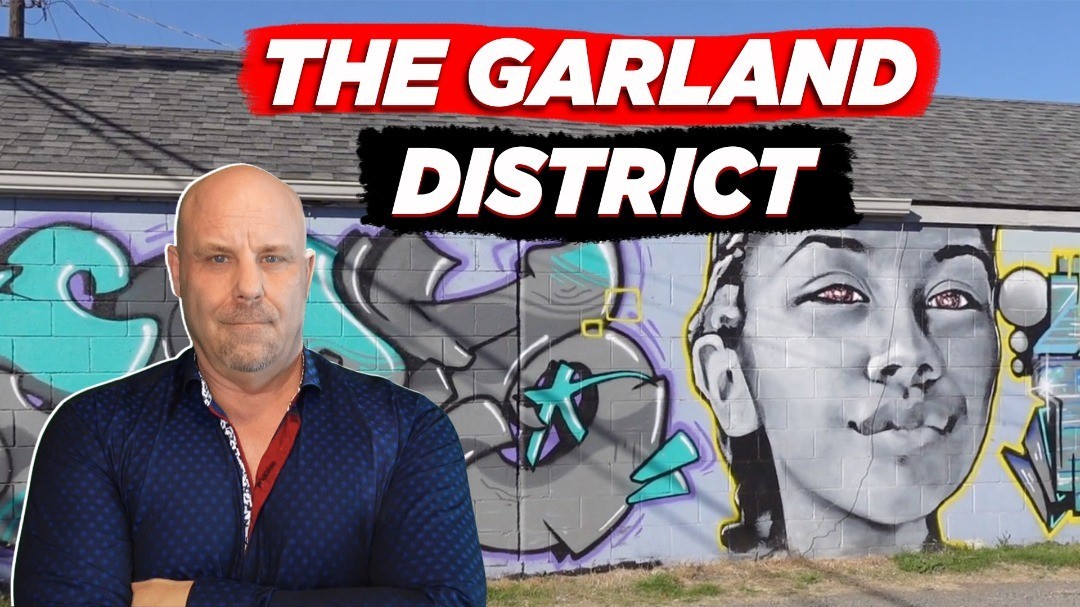
The Garland District is a charming and historic neighborhood in Spokane, Washington that is known for its unique Art Deco architecture and 1950s Americana feel. Located in the North Hill area, the district is home to a variety of entertainment options, including art-oriented shops, restaurants, and nightlife. One of the most notable landmarks in the Garland District is the Garland Theater, which was established in 1945 and has a rich history of its own.

The theater, which originally had almost 1,000 seats and a gift shop, was considered a modern movie house at the time. In 1954, it was updated with a wide screen and stereophonic sound system, as well as new seats and curtains, at a cost of $20,000. Many businesses in the district still have original signs dating back to the 1950s, giving the area a nostalgically Americana feel. Retail shops and businesses are built close to the street, with street parking available and off-street parking sometimes available behind the businesses.

In addition to the Garland Theater, the district is also home to the Ferguson Cafe, the Blue Door theater, and Art Alley, which features constantly changing urban graffiti art. The district is a walkable neighborhood that is popular with both residents and visitors alike. If you are interested in buying or selling real estate in the Garland District, or if you have any other real estate questions, you can contact Brian Johnson, a real estate broker with Windermere Valley Liberty Lake. Brian is happy to help you with any of your real estate needs and can be reached by phone or email. Don’t hesitate to reach out to him for more information or to discuss the market.
How Do I Look Up My Property Taxes In Spokane Washington?

Are you looking to check your property taxes in Spokane? It’s easy to do, whether you’re using a desktop computer or a mobile device.
On desktop, you can go to spokanecounty.org and navigate to the personal information search or property information search pages. From there, you’ll be taken to a tool called Scout, which allows you to search for a specific property and view its tax information.
If you’re using a mobile device, you can access Scout in a couple of different ways. You can visit the mobile version of the Spokane County website, or you can download the Spokane County App for Apple or Android devices.
To use Scout, simply enter the address of the property you want to check. You’ll be taken to a dashboard with various information about the property, including its location, utilities, public safety information, and permits. Scroll down to the “property taxes” section to view the current property tax amount, as well as any amounts that are still owing.
In addition to property tax information, Scout also provides other public information about a property, such as school district information and voting district information. So if you’re looking to purchase a property or just want to know more about your own property, Scout is a useful tool to check out. Just remember to visit the Spokane County website or download the app to get started.
Here are the links to check your property taxes:
Spokane County: https://spokanecounty.org/
Scout: https://cp.spokanecounty.org/scout/scoutdashboard/
Android App: https://play.google.com/store/apps/details?id=com.civicplus.wa_spokanecounty
Apple: https://apps.apple.com/us/app/spokane-county-on-the-go/id1546006270
The South Hill Spokane | Everything You NEED To Know Before Moving To The South Hill

The South Hill neighborhood in Spokane is a classic and desirable area to live. Located just south of downtown Spokane and east of 195, this neighborhood has a lot to offer. It’s close to downtown, has great views, and is home to some of the most beautiful and classic homes in the city.
The South Hill is made up of several neighborhoods, each with its own unique character and features. Cliff Cannon, located up north, has views of downtown and more apartments. Manito and Cannon Hill are located around Manito Park, a beautiful park in the middle of the neighborhood. Rockwood is known for its classic and large homes, while Comstock South has newer, 70s-style homes that are still classic and beautiful.
If you live in the South Hill, you can expect to be about 10 to 20 minutes from the airport, 5 to 15 minutes from downtown Spokane, and 20 minutes from the valley. You can also expect to be about 45 to 55 minutes from Coeur d’Alene and about 5.5 hours from Seattle.
In terms of schools, the South Hill has a number of elementary schools including Roosevelt, Grant, Hutton, Wilson, Jefferson, Hamblin, and Mullen Road. For middle schools, there are Sacagawea and pepperjack, and for high schools, there are Lewis and Clark and Ferris.
The South Hill also has a range of shopping and dining options, including Rock City Grill, De Leon’s tacos, McKinsey River Pub and Pizza, Starbucks, Target, MOD Pizza, and McDonald’s. There are also smaller, locally owned restaurants and shops scattered throughout the neighborhood, offering a unique and diverse selection of food and retail options.
The median sales price for homes in the South Hill is currently around $500,000. This area is known for its beautiful and classic homes, with a range of options available including newer construction and older, historic properties.
If you are considering moving to the South Hill or have any questions about real estate in this neighborhood, Brian Johnson, a real estate broker with Windermere Valley Liberty Lake, is available to help. He can provide you with more information about the South Hill and assist with your home search. Feel free to reach out to him for assistance.
If you want a guide on how to buy a house: https://bit.ly/3GvmGUe
If you want a guide on how to sell a house: https://bit.ly/3CfuWp5
Browne’s Addition | Spokane’s Downtown Neighborhood

Brown’s Edition is a historic neighborhood in Spokane, Washington that dates back to 1878. It was founded by Mr. Brown and Mr. Cannon, who bought a quarter of Spokane Falls (later renamed to Spokane) from the city’s founder, Mr. Glover. At the time, there were only 54 people living in the area, but by 1880, the population had grown to 350.
In 1889, a major fire swept through Spokane, destroying many buildings. However, this also marked a time of rebuilding, and during this period, many large Victorian mansions (also known as folk Victorian mansions) were built in Brown’s Edition. These houses were not Sears houses, but rather were built using plans that people could purchase and import wood to construct.
Today, Brown’s Edition is primarily a residential neighborhood, with a mix of individual houses, condos, apartment buildings, and even some law offices. One of the standout features of the neighborhood is Coeur d’Alene Park, located in the center of Brown’s Edition.
In terms of location, Brown’s Edition is convenient for those who work in Spokane, as it is just a 20-minute drive from the city center. It is also close to Spokane International Airport (a 15-minute drive) and several parks, including People’s Park and Manito Park.
In 2021, infrastructure was put in place for a main public transportation line to be built in Brown’s Edition. This line is expected to be completed in 2023, enhancing the neighborhood’s already good public transportation access.
If you are considering moving to Brown’s Edition or have any questions about real estate in the area, you can reach out to Brian Johnson, a real estate broker with Windermere Valley Liberty Lake. Brian’s contact information can be found below.
